


Arize AI Review 2026: The Enterprise Observability Platform Watching 1 Trillion AI Spans a Month
Founded in 2020 in Berkeley by Jason Lopatecki and Aparna Dhinakaran, Arize AI has raised $131M and now processes 1 trillion spans and 50+ million evaluations monthly for DoorDash, Uber, Reddit, Microsoft, and Cohere.
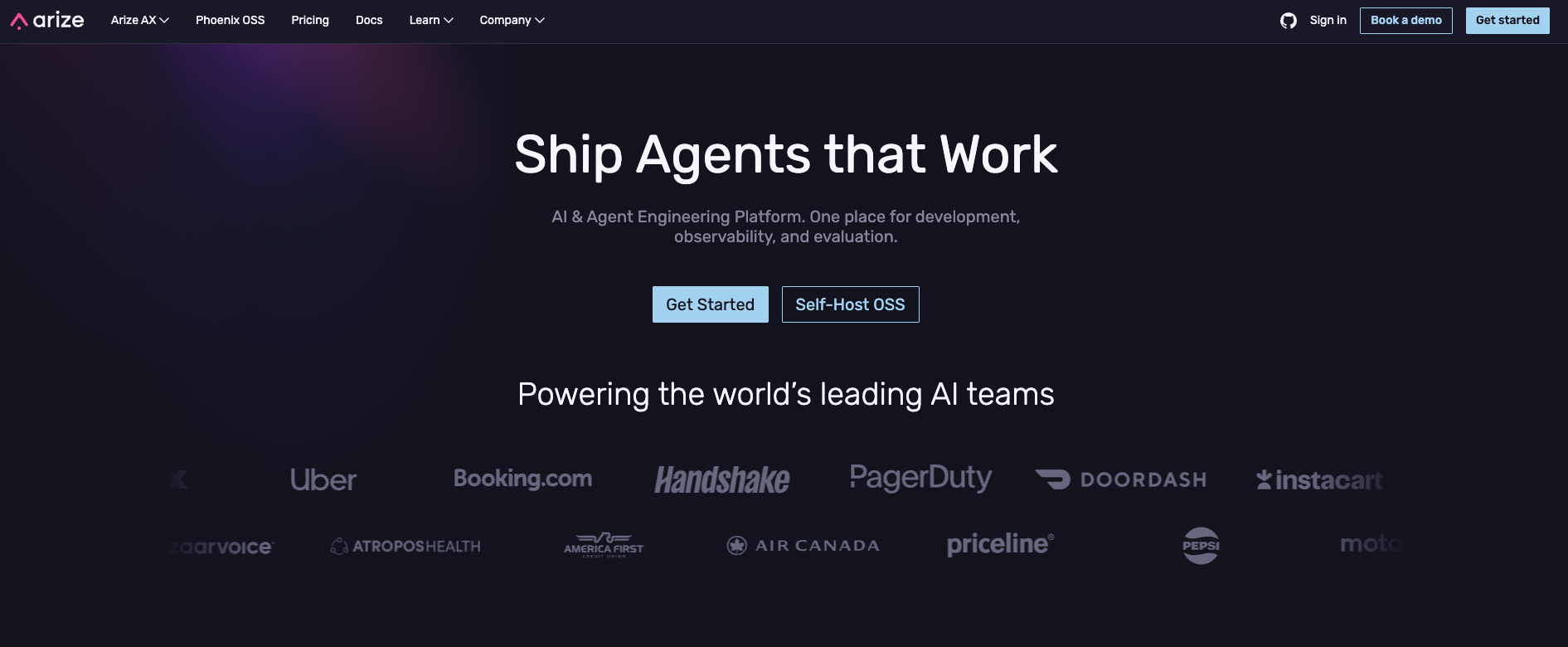
Every AI engineering team that has shipped a model to production knows the same fear: something is wrong, but you don't know what, where, or why. A customer complaint trickles in. A metric drifts. An agent starts making decisions that don't make sense. Traditional application monitoring tools see HTTP requests and response times, but they don't see embedding drift, feature-level cohort degradation, or RAG retrieval failures. Arize AI was built to solve exactly this — and it started solving it before most of the market knew the problem existed.
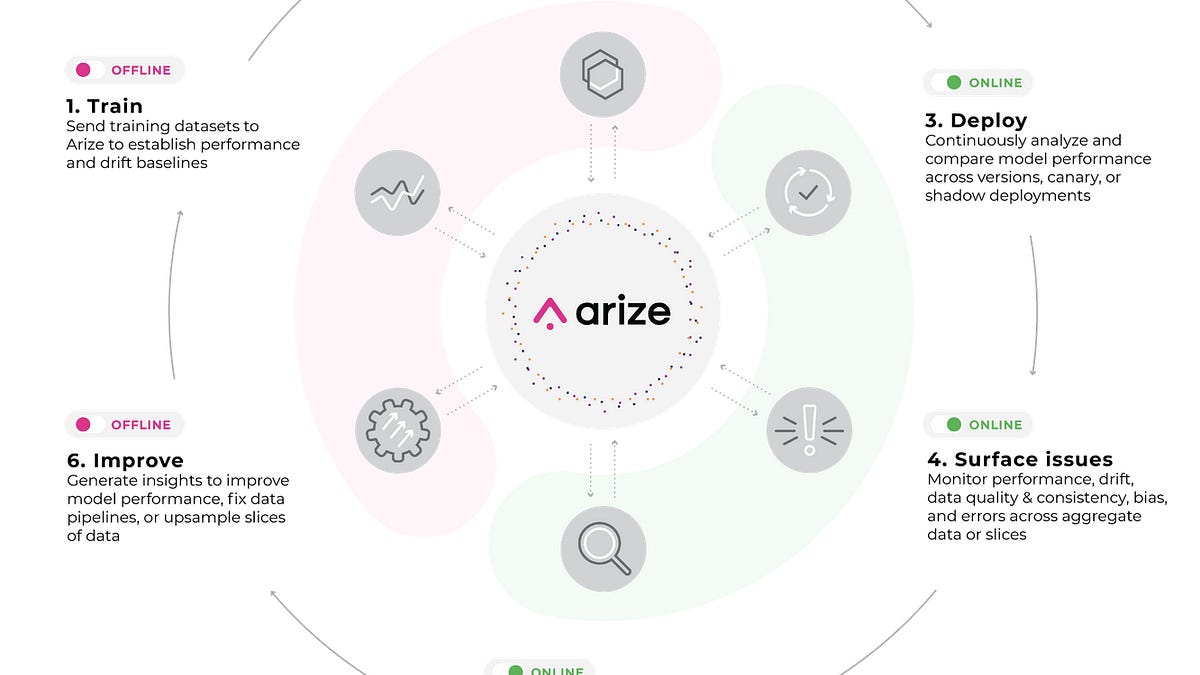
Founded in 2020 in Berkeley by Jason Lopatecki (CEO) and Aparna Dhinakaran (CPO), Arize AI has raised $131 million and built the most mature AI observability platform in the market. Its two-product architecture — Phoenix, the fully open-source observability and evaluation core, and Arize AX, the enterprise platform — gives teams a path from local development to production scale without changing tools or re-architecting. Today, Arize processes 1 trillion spans and runs 50+ million evaluations monthly for companies including DoorDash, Instacart, Reddit, Uber, Booking.com, Roblox, Cohere, Microsoft, and TripAdvisor. The platform is certified to SOC 2 Type II, ISO 27001, PCI DSS, HIPAA, and GDPR — a compliance stack that reflects its enterprise maturity, not startup ambition.
What Is Arize AI?
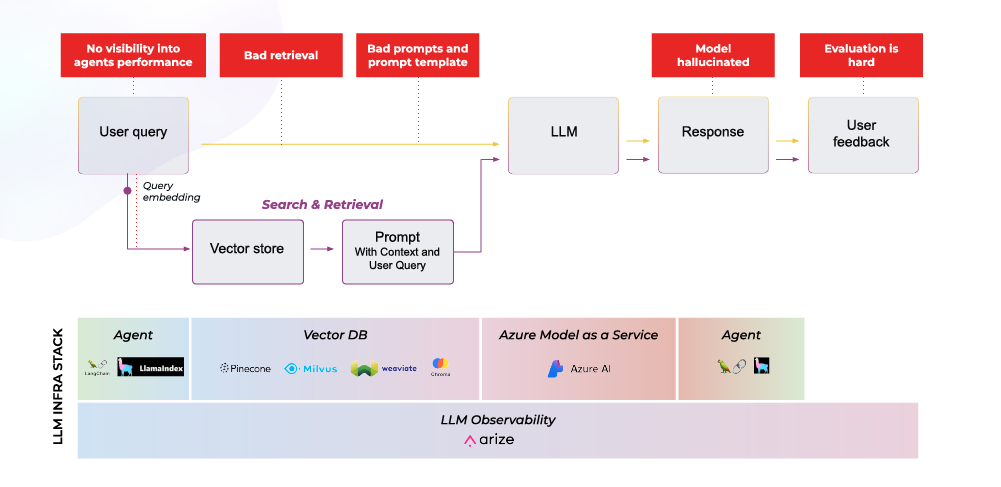
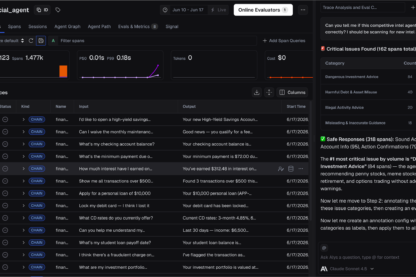
Arize AI is an enterprise AI observability and evaluation platform with a dual-product architecture designed to serve teams from local development through production scale. Phoenix is the leading open-source platform for AI observability and evaluation, with 10.2k+ GitHub stars, built on OpenInference and OpenTelemetry standards. It runs anywhere — locally, in Jupyter notebooks, containerized, or in the cloud — with no feature gates versus the enterprise version. Arize AX is the enterprise platform built on the same open standards, adding managed infrastructure, advanced agent observability, online evals, and continual improvement workflows. The platform captures the full execution flow of AI applications through LLM Tracing — prompt, response, tool call, retrieval step, and agent decision — following the OpenTelemetry standard for compatibility with existing observability infrastructure. The Evaluator Hub (2026) lets teams create, version, and reuse evaluators across tasks with commit-level version control, including LLM-as-a-judge templates for hallucination detection, relevance scoring, and tool-call evaluation. For RAG pipelines, Arize evaluates embedding similarity distributions, document ranking positions, and contextual token allocation. The built-in "Alyx" AI assistant runs agent-native workflows across Cursor, Claude Code, and OpenCode to debug, evaluate, and improve agents directly from the IDE.
Key Features
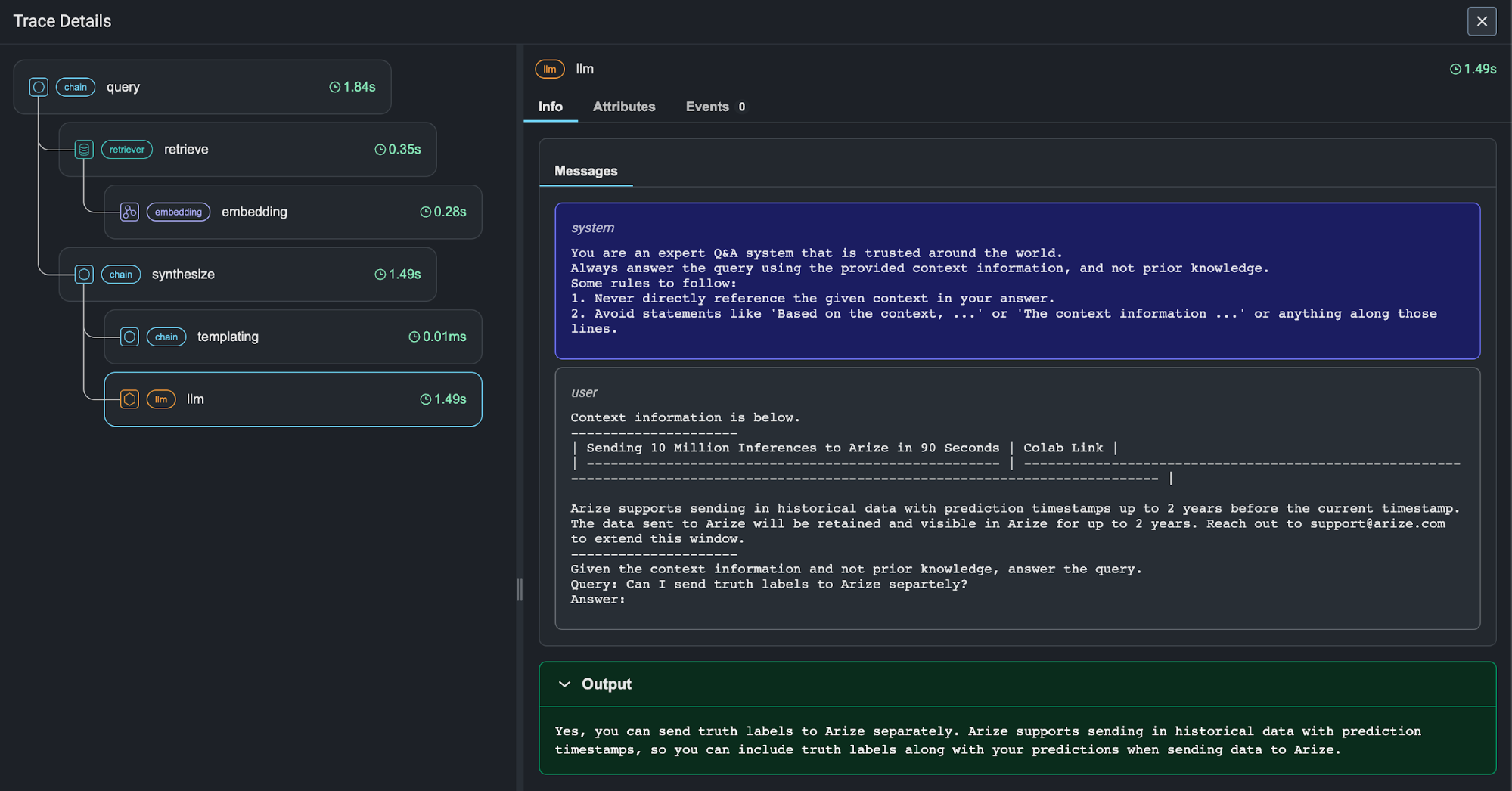
LLM Tracing (OpenTelemetry Native)
Captures the full execution flow of AI applications — prompt, response, tool call, retrieval step, and agent decision — following the OpenTelemetry standard. Integrates with existing observability infrastructure (Datadog, New Relic, Grafana) without requiring separate monitoring stacks. Full context propagation across distributed agent systems.
Evaluator Hub (2026)
Lets teams create, version, and reuse evaluators across tasks with commit-level version control. Includes LLM-as-a-judge templates for hallucination detection, relevance scoring, and tool-call evaluation. Custom evaluator definitions with version history and rollback capabilities. Addresses the common pain point of scattered, ungoverned evaluators across notebooks.
RAG Pipeline Evaluation
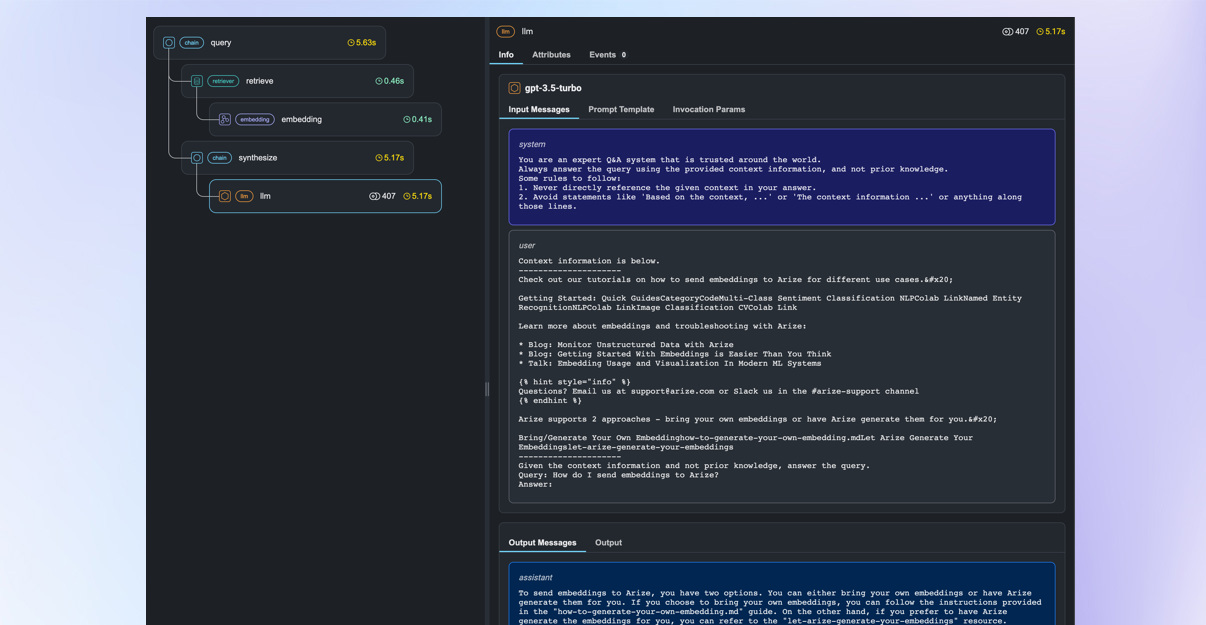
Evaluates embedding similarity distributions, document ranking positions, and contextual token allocation for RAG pipelines. Identifies retrieval failures, context window inefficiencies, and relevance degradation over time. Feature-level cohort analysis pinpoints which user segments experience degraded quality.
Alyx AI Assistant (IDE Native)
Runs agent-native workflows across Cursor, Claude Code, and OpenCode to debug, evaluate, and improve agents directly from the IDE. No context switching — observability and optimization happen where developers already work. Automated root cause analysis for agent failures with suggested fixes.
Pricing Plans
| Plan | Price | What's Included |
|---|---|---|
| Phoenix (Open Source) | Free | Full feature set, self-hosted, no feature gates, runs locally/Jupyter/containerized/cloud, OpenTelemetry native, 40+ integrations |
| Arize AX Free | Free | 25k spans, 1GB storage, 15-day retention, managed infrastructure, basic dashboards |
| Arize AX Pro | $50/month | 50k spans, 10GB storage, 30-day retention, advanced analytics, priority support |
| Arize AX Enterprise | $50,000+/year | Custom span limits, unlimited storage, SSO, RBAC, dedicated support, SLA guarantees, on-premise options, compliance auditing |
Important: Arize bills on a dual axis — span count plus raw data volume in GB. This means RAG applications logging large retrieved context windows get billed twice (once per span, once for data volume). For teams with high-context RAG pipelines, this pricing model can escalate quickly compared to flat-rate competitors.
Start with Phoenix Free →Pros & Cons
✓ What Makes It Shine
- ✅ Phoenix is fully open-source with zero feature gates — every capability in enterprise is in the free version
- ✅ 1 trillion spans processed monthly — proven at the highest production scale in the market
- ✅ ML heritage since 2020 — embedding drift detection, cohort analysis, and feature-level monitoring competitors lack
- ✅ Full SOC 2 Type II, ISO 27001, PCI DSS, HIPAA, GDPR compliance — enterprise-ready security
- ✅ OpenTelemetry native — integrates with existing observability stacks without re-architecting
✗ Where It Falls Short
- ❌ Dual-axis pricing (spans + data volume) punishes RAG apps with large context windows
- ❌ Documentation is extensive but overwhelming for beginners — assumes technical fluency
- ❌ Interface built for engineers, not product teams — non-technical stakeholders struggle
- ❌ Migration from Phoenix local to AX production requires schema adjustments and re-instrumentation
- ❌ Enterprise pricing starts at $50,000/year — not accessible for small teams or startups
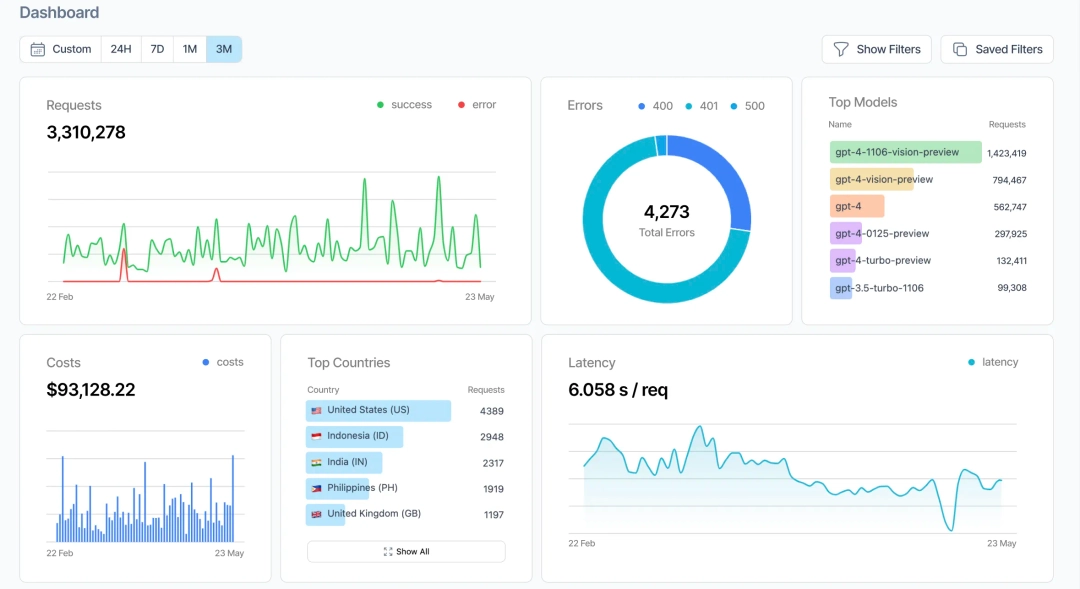
💡 Community Feedback: What Enterprise Users Say
How It Compares to Alternatives
| Feature | Arize AI | Langfuse | LangSmith | Opik |
|---|---|---|---|---|
| Open Source Core | Phoenix (full, no gates) | MIT (core) | Proprietary | Apache 2.0 |
| Production Scale | 1T spans/month | Growing | Enterprise | 40M+ traces/day |
| ML Heritage | Since 2020 (drift, bias) | LLM-native | LLM-native | LLM-native |
| Embedding Drift Detection | Yes | No | No | No |
| OpenTelemetry Native | Yes | Partial | No | Yes |
| Enterprise Compliance | SOC2, ISO27001, HIPAA, GDPR | SOC2 | SOC2 | Limited |
| Pricing Model | Dual-axis (spans + GB) | Flat rate | Per-seat + traces | $39/user flat |
| Agent Optimizer | No | No | No | Yes (6 algorithms) |
Arize's comparison table reveals its core strategic advantage: maturity. While Langfuse, LangSmith, and Opik were built specifically for LLM observability, Arize started in 2020 monitoring traditional ML models for drift, bias, and data quality. That heritage shows up as features that LLM-native competitors are still catching up to: embedding drift detection, feature-level cohort analysis, and a compliance stack (SOC 2, ISO 27001, HIPAA, GDPR) that reflects enterprise-grade security. The OpenTelemetry native architecture means Arize integrates with existing observability infrastructure rather than requiring a separate monitoring stack — a significant advantage for large enterprises with mature DevOps practices. The tradeoff is real: Arize is built for engineers, not product teams, and its dual-axis pricing on spans and data volume means RAG-heavy applications can get expensive fast. For teams that need the deepest ML observability and the highest compliance standards, Arize is the clear leader. For teams that prioritize LLM-specific features, simpler pricing, or non-technical accessibility, the newer platforms may be better fits.
Who Should Use Arize AI?
Best For: Enterprise AI teams (200+ engineers) running production ML and LLM systems at scale who need comprehensive observability, evaluation, and compliance. Organizations with mature DevOps practices and existing observability infrastructure (Datadog, New Relic, Grafana) who want OpenTelemetry-native AI monitoring that integrates without re-architecting. Teams building RAG pipelines who need embedding drift detection, document ranking analysis, and contextual token allocation monitoring. Companies in regulated industries (healthcare, finance, government) who require SOC 2, ISO 27001, HIPAA, and GDPR compliance. ML engineering teams who want to extend traditional model monitoring (drift, bias, data quality) into generative AI without changing tools.
Consider Alternatives If: You're a small team or startup with limited budget — Arize's enterprise pricing starts at $50,000/year and the dual-axis pricing model can escalate quickly for high-context RAG apps. You need a tool that non-technical stakeholders can use — Arize's interface assumes fluency with spans, traces, embeddings, and drift detection. You want LLM-specific features like automated prompt optimization — Opik's Agent Optimizer offers six algorithms that Arize doesn't have. You prefer flat-rate pricing predictability — Langfuse's pricing model is simpler for teams that don't want to monitor span counts and data volume separately. You're building exclusively with LangChain/LangGraph and want the tightest integration — LangSmith is purpose-built for this ecosystem.
Expert Editorial Opinion
Arize AI represents the most mature approach to AI observability in the market today. While competitors are building LLM-specific tools from scratch, Arize spent four years (2020–2024) solving the harder problem of monitoring traditional ML models for drift, bias, and data quality before extending into generative AI. That foundation shows up in every feature: embedding drift detection that most LLM-native tools don't have, feature-level cohort analysis that pinpoints exactly which user segments experience degraded quality, and a compliance stack that reflects enterprise security requirements rather than startup ambition.
The Phoenix open-source strategy is particularly noteworthy. Unlike LangSmith, which gates features behind paid tiers, or Langfuse, which has a partially open-source model, Phoenix is fully open-source with zero feature gates. The free version includes every capability available in the enterprise platform. The difference is managed infrastructure, scale limits, and support — not functionality. This is a genuinely developer-friendly approach that builds long-term trust and community loyalty. The 10.2k+ GitHub stars are evidence that this strategy is working.
The limitations are significant and worth weighing carefully. The dual-axis pricing model — billing on both span count and raw data volume — is a genuine pain point for RAG-heavy applications. A team logging large retrieved context windows will see costs scale in two dimensions simultaneously, making budgeting unpredictable. The interface, while powerful, assumes technical fluency that non-engineering stakeholders often lack. And the migration friction from Phoenix local development to AX production — schema adjustments, re-instrumentation — adds overhead that smaller teams may not have capacity for.
The $131 million in funding and the customer roster (DoorDash, Uber, Reddit, Microsoft, Cohere) signal that Arize has the resources and market validation to sustain a multi-year roadmap. The Evaluator Hub (2026) addresses a real gap in the market — version-controlled evaluators with governance — and the Alyx AI assistant brings observability into the IDE where developers already work. These are not incremental features; they are strategic moves that extend Arize's position from passive monitoring to active improvement.
One question remains: can Arize make its platform accessible to non-engineers without diluting its technical depth? The G2 reviews consistently the interface as overwhelming for beginners, and competitors like LangSmith are investing heavily in product-team-friendly dashboards. If Arize can solve the accessibility problem while maintaining its technical rigor, it becomes the undisputed leader in AI observability. If it can't, it risks becoming the best tool that only engineers can use — a valuable but narrower position.
Final Verdict
Arize AI is the most mature and comprehensive AI observability platform available today. The 1 trillion spans processed monthly, 50+ million evaluations, and full SOC 2/ISO 27001/HIPAA/GDPR compliance reflect enterprise-grade infrastructure that competitors are still building toward. Phoenix's fully open-source, zero-feature-gate approach is genuinely developer-friendly and builds long-term trust. The ML heritage since 2020 delivers capabilities — embedding drift detection, cohort analysis, OpenTelemetry native integration — that LLM-native competitors lack. The limitations are real: dual-axis pricing punishes RAG apps, the interface assumes technical fluency, and enterprise pricing starts at $50,000/year. For large enterprises with mature AI infrastructure and compliance requirements, this is an 8.8 out of 10 — the most complete observability platform in its category.
🔗 Related ToolRadar Reviews
More tools from AI Developer Tools
- Opik Review 2026: The Open-Source LLM Observatory That Catches Hallucinations Before Your Users Do
- Mastra AI Review: The TypeScript Agent Framework That Wants to Be the Rails for AI
- Is Aider the Best Free AI Coding Assistant in 2026?
- Why Replit Agent Is One of the Hottest AI Coding Tools Right Now
- v0.dev vs Bolt.new vs Cursor: Which AI Coding Tool Wins in 2026?
- Forget GitHub Copilot — Cursor 3 Just Changed Everything
- Gumloop: Build AI Workflows Without Writing a Single Line of Code
- Zapier AI Review 2026: Automation Tool That Actually Thinks
❓ Frequently Asked Questions
So here's the real question: are you still deploying AI models to production without knowing what's happening inside them?
Because 1 trillion spans processed monthly didn't happen by accident — it happened because enterprises got tired of flying blind and invested in observability that actually works. The only question left is whether you'll measure before you break, or break before you measure.

Comments
Post a Comment