


Is Vibe Coding the End of Traditional Programming —<
or Just the Beginning?
From a single tweet to 91% enterprise adoption: how AI-driven "vibe coding" is rewriting the rules of software development in 2026.
Imagine telling your computer, "Build me a dashboard with login, analytics, and export features" — and watching it materialize in minutes. No syntax. No debugging marathons. Just pure intent translated into working code.
That's not science fiction. That's Vibe Coding in 2026, and it's already reshaping how 91% of engineering organizations build software.
— Andrej Karpathy, February 2, 2025
What Is Vibe Coding? The Origin Story
On February 2, 2025, Andrej Karpathy — former Tesla AI Director and OpenAI co-founder — posted a tweet that would change software development forever. He coined "Vibe Coding" to describe a workflow where he barely touched his keyboard, using voice input to describe requirements to Cursor Composer, accepting all AI suggestions without reviewing diffs line by line.
The tweet went viral. By March 2025, Merriam-Webster added "vibe coding" as a slang entry. By year-end, Collins Dictionary shortlisted it for Word of the Year. MIT Technology Review listed "Generative Coding" as one of its Top 10 Breakthrough Technologies for early 2026.
But here's the kicker: AI now writes 30% of Microsoft's code, over a quarter of Google's code, and Mark Zuckerberg has stated his goal of having AI agents write most of Meta's code. This isn't a trend — it's a tectonic shift.
The Three Programming Paradigms
To understand Vibe Coding, you need to see where it sits in the evolution of software development:
Traditional Programming
Developers manually write every line with full control. Slower, deliberate, but provides complete precision and deep understanding.
AI-Assisted Programming
Human leads while AI suggests lines and functions. Think early GitHub Copilot — the "copilot" metaphor where human is still the driver.
Vibe Coding
Human describes intent in natural language; AI generates entire modules or projects. The human is the director, AI is the screenwriter.
The roles are completely reversed. In Vibe Coding, you focus on what you want, not how to implement it. The developer's core value shifts to requirements analysis, architectural thinking, and product judgment.
Top Vibe Coding Tools of 2026
The ecosystem has exploded. Here are the major players reshaping development in 2026:
| Tool | Type | Starting Price | Best For |
|---|---|---|---|
| Cursor | AI IDE | Free / $20/mo | Highest-rated AI IDE (4.9/5) with multi-model support |
| v0.dev | Web Platform | Free / $20/mo | Production-quality React UI generation |
| Bolt.new | Web Platform | Free / $18/mo | Full-stack prototyping with instant deployment |
| Replit Agent | Cloud IDE | Free / $20/mo | Autonomous 200-minute coding sessions |
| Lovable | Web Platform | $25/mo | Non-technical founders and rapid prototyping |
| Claude Code | Terminal CLI | $20/mo | 1M+ token context, enterprise codebase mastery |

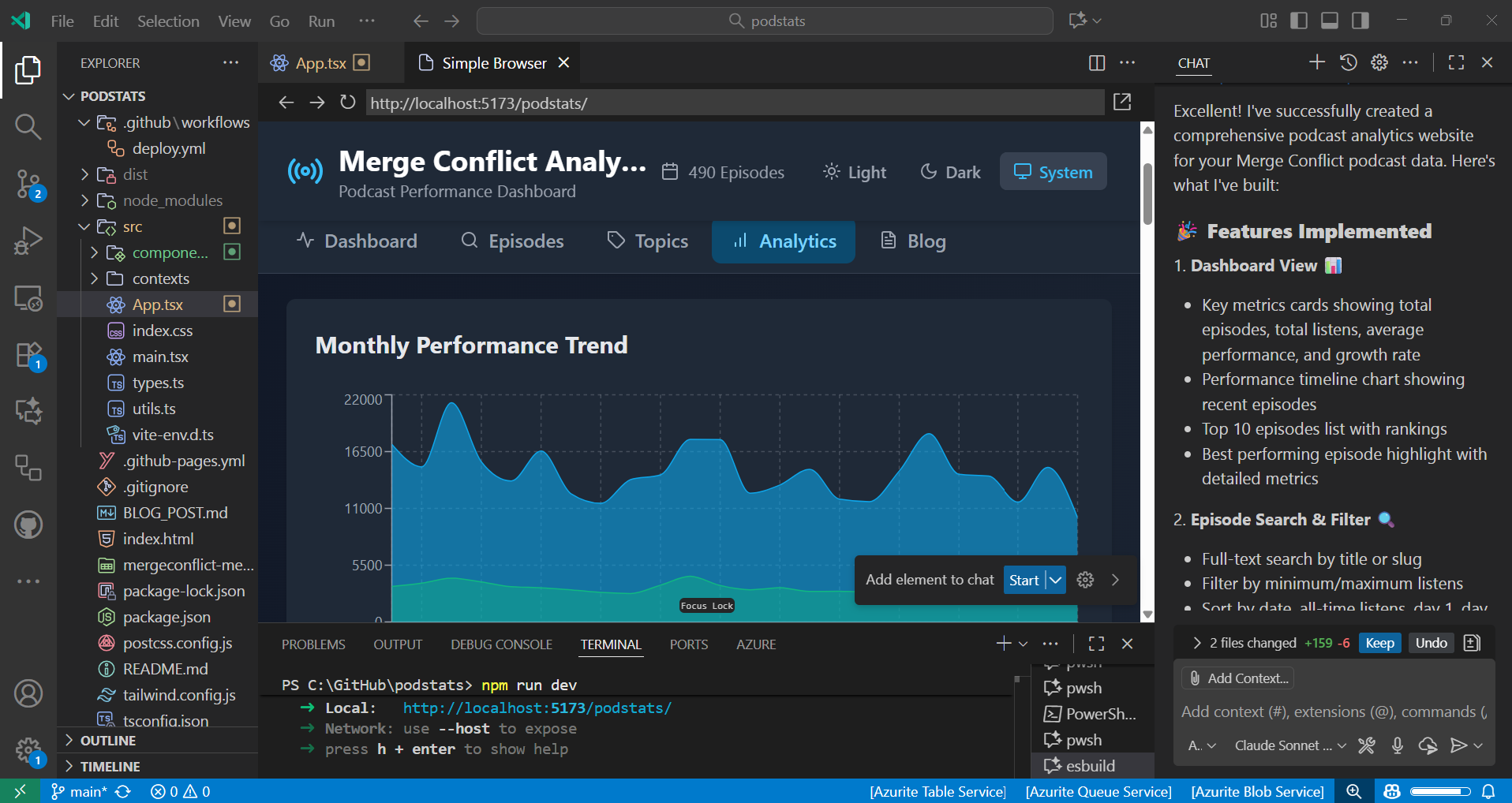
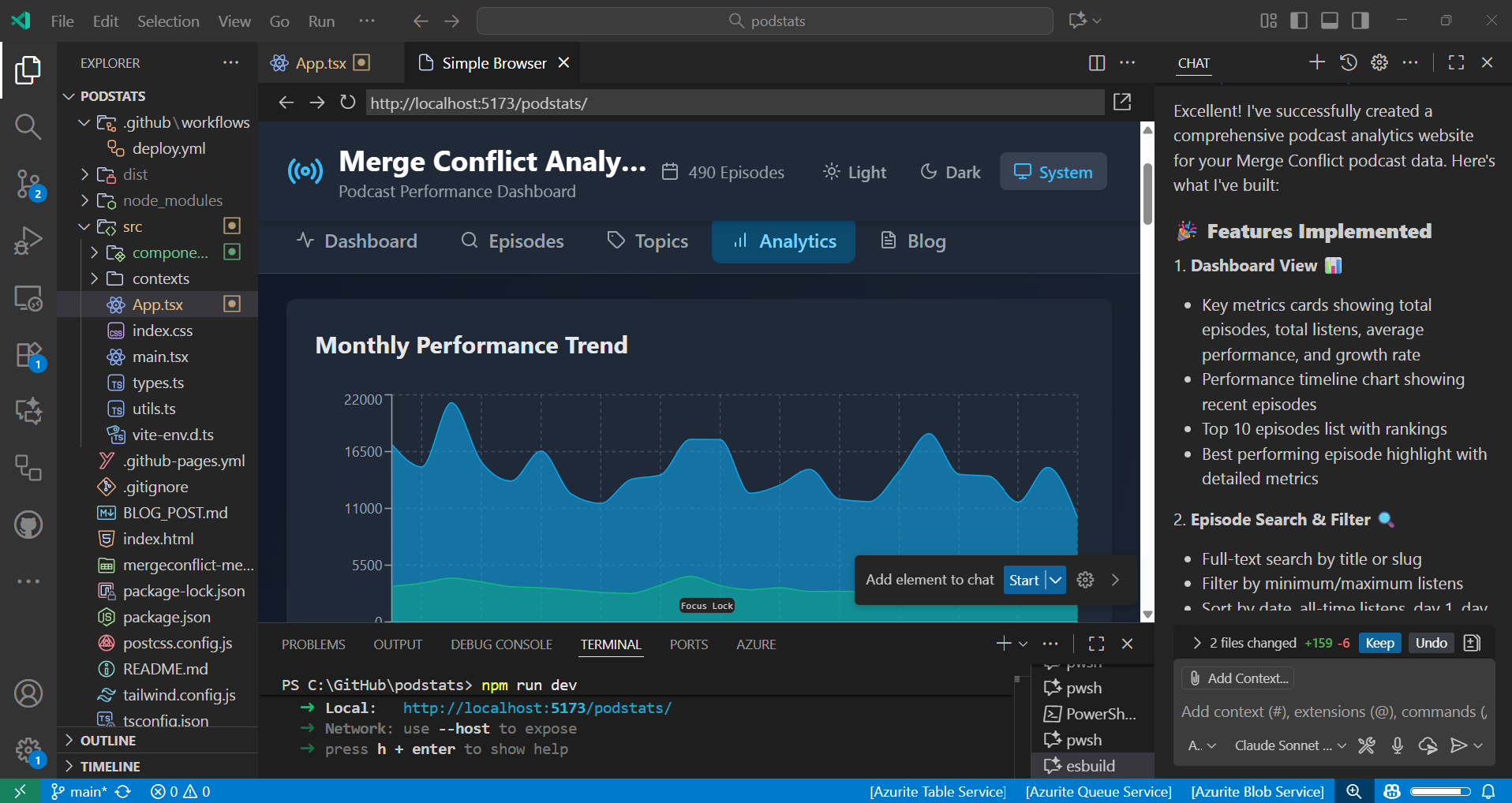
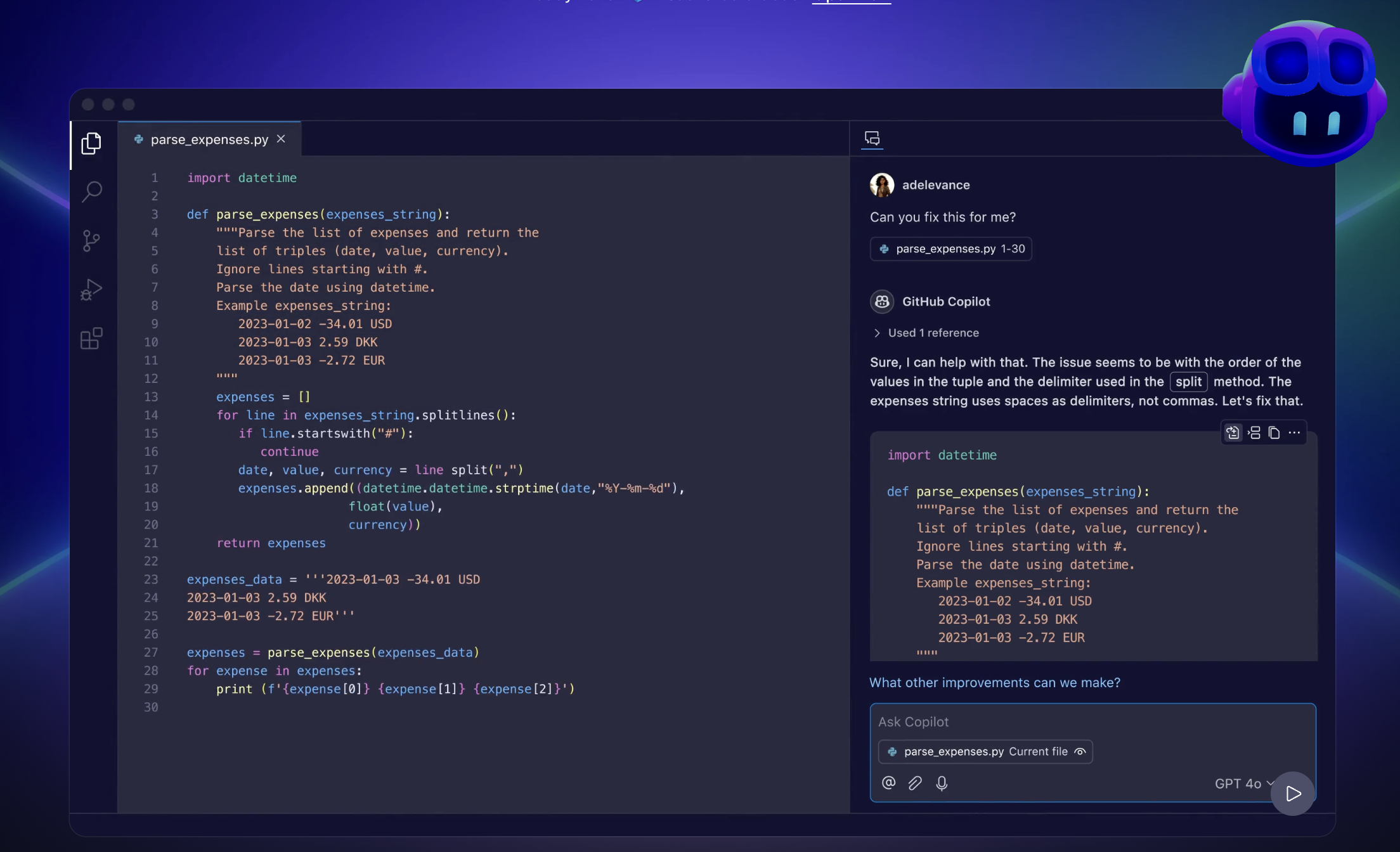
Vibe Coding interfaces: Cursor AI IDE and AI-generated dashboard in action
Try Cursor AI IDE Free →Pros & Cons
✓ The Upside
- ✅ Rapid prototyping: Move from idea to working demo in hours, not weeks.
- ✅ Lower barrier: Non-technical founders can build functional prototypes without hiring engineers.
- ✅ Reduced drudgery: AI handles boilerplate, CRUD interfaces, and repetitive scaffolding.
- ✅ Creative flow: Experiment with 3 different approaches in a day — impossible with traditional coding.
- ✅ Cost efficiency: A simple website might cost $50-200 in AI credits vs. $3,000-10,000 for a developer.
✗ The Downside
- ❌ Security vulnerabilities: 30% of Python AI-generated snippets and 24% of JavaScript ones contain serious security flaws.
- ❌ Technical debt: Code often lacks clear structure, making long-term maintenance a nightmare.
- ❌ AI death spiral: Initial speed erodes over time as debugging unreviewed AI output becomes overwhelming.
- ❌ Skill atrophy: Overreliance may reduce hands-on coding skills, especially for junior developers.
- ❌ Complexity ceiling: Projects beyond 15-20 components often cause context degradation and require manual intervention.
💡 Real User Pulse: What Reddit & Developers Say
"Vibe coding initially feels fast and empowering, but the productivity gains erode over time. While it was easy to generate working code in the beginning, debugging and refining later became overwhelming. Projects built too heavily on unreviewed AI output often turned into time sinks rather than time savers."
— Reddit developer, 2026
"84% of developers use AI in their work, but more developers actively distrust the accuracy of AI-based development tools than trust them — and only 3.1% trust them highly."
— Stack Overflow Developer Survey
"best of best. Vibe coding... The smart agent works incredibly well and is very easy to use. With Gemini 3 Pro, I can now accomplish things I wasn't able to do before!"
— Verified Trustpilot Review, December 2025
"I created an app as part of Bolt's Hackathon. It took about ten minutes to create the foundation. But immediately, error messages popped up. What came was about 45 minutes of troubleshooting where the AI told me exactly where to find error messages — but I didn't understand any of them."
— Stack Overflow staff writer, January 2026
Vibe Coding vs Traditional Coding
| Criteria | Vibe Coding | Traditional Coding |
|---|---|---|
| Speed & Prototyping | Hours to demo | Weeks to MVP |
| Code Quality | Variable; needs cleanup | Consistent, reviewable |
| Security | Risky without oversight | Strong compliance focus |
| Scalability | Struggles beyond 20 components | Built for enterprise scale |
| Learning Curve | Low — natural language | Steep — years of study |
| Maintainability | Often messy, inconsistent | Clear structure, documented |
| Best Use Case | MVPs, internal tools, prototypes | Production systems, fintech, healthcare |
Who Should Use Vibe Coding?
🚀 Optimized Target Profiles:
• Startup founders validating product-market fit without engineering teams
• Product managers who need rapid prototypes to communicate vision
• Internal tool builders creating dashboards, CRUD apps, and automation scripts
• Educators teaching programming concepts through hands-on experimentation
• Solo developers wanting to skip boilerplate and focus on unique logic
⚠️ Alternative Directions:
If you're building fintech platforms, healthcare systems, or any application handling PII, payments, or regulated data — traditional coding with rigorous review remains non-negotiable. Vibe coding can accelerate scaffolding, but human oversight is mandatory for production deployment.
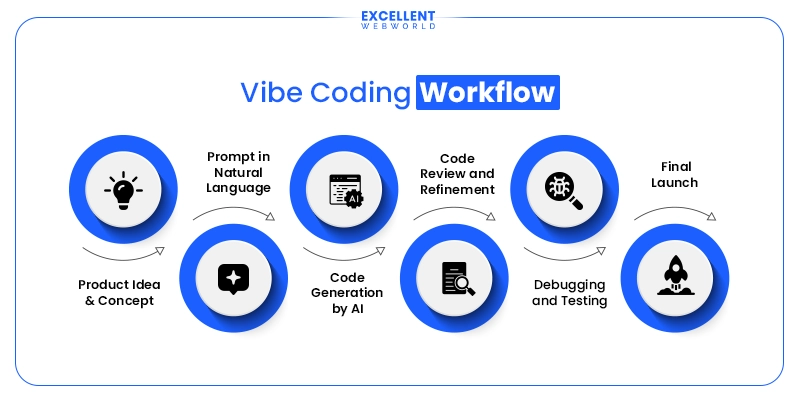
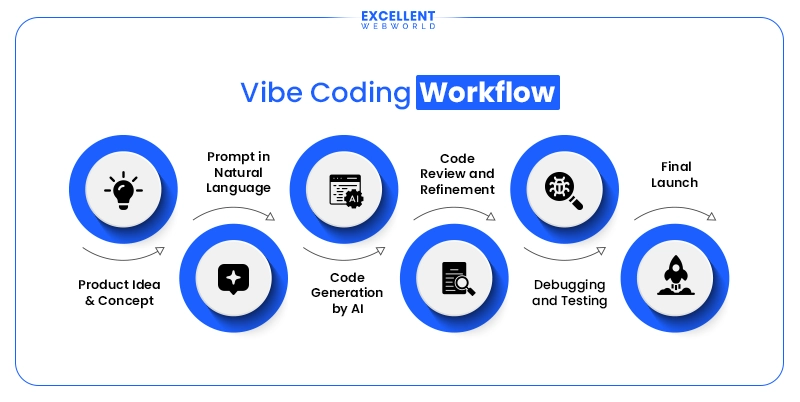
The Vibe Coding workflow: from product idea to final launch through AI generation
Expert Editorial Opinion
I've spent the last three months vibe-coding everything from landing pages to internal analytics dashboards. Here's what nobody tells you: the first 80% is magical, but the last 20% is where traditional skills save you.
When I asked Cursor to build a podcast analytics dashboard, it generated a beautiful UI in 10 minutes. But when I needed custom authentication logic and edge-case handling for malformed RSS feeds, the AI started looping — generating the same broken pattern three times. I had to step in, read the code, and fix it manually. That's the reality check.
The sweet spot? Use vibe coding for rapid prototyping, boilerplate, and internal tools where failure is cheap. Then bring in experienced engineers for architecture, security review, and production hardening. The tools are incredible accelerators, but they're not replacements for engineering judgment.
My honest take: If you're a non-technical founder, vibe coding is the closest thing to a superpower. But if you're a junior developer using it to skip learning fundamentals, you're building a house of cards. The job market in 2026 is already seeing "vibe coding cleanup specialists" — engineers hired specifically to refactor AI-generated messes.
Final Verdict
Vibe Coding is not the end of programming — it's the evolution of it. The paradigm shifts the developer from "code typist" to "AI orchestrator," and that's a fundamentally more valuable role. For startups, internal tools, and rapid prototyping, it's an 8.7/10 game-changer. But for production systems handling sensitive data, it's a powerful complement, not a replacement.
The smartest teams in 2026 aren't choosing between vibe coding and traditional coding — they're hybridizing both. AI drafts, engineers own architecture, and everyone wins. The question isn't whether vibe coding will replace developers. It's whether developers who refuse to vibe code will be replaced by those who do.
🔑 Related Keywords
Related Reads: Cursor 3 Review · v0.dev Deep Dive · Bolt.new Analysis · Replit Agent Review · Lovable Platform · Vibe Coding Revolution

Comments
Post a Comment